India’s sanitary napkin market crossed $894 million in 2025, and behind that number sits a genuine public health success story — improved access to affordable, quality pads has measurably reduced school absenteeism among girls in rural and semi-urban India while encouraging greater workforce participation among women. With zero GST applied uniformly across all brands, the competitive battlefield has shifted entirely to product innovation, sustainability, and distribution reach rather than pricing tricks.
| Rank | Company/Brand | Parent Company | Known For |
| 1 | Whisper | Procter & Gamble | Market leader, high absorbency, period panties launch |
| 2 | Stayfree | Johnson & Johnson | 28% market share, affordability & trust |
| 3 | Sofy | Unicharm | Thin, comfortable pad technology |
| 4 | Kotex | Kimberly-Clark Lever Ltd (KCL) | Launched 2005, superior quality positioning |
| 5 | Carefree | Johnson & Johnson | Complete feminine hygiene line |
| 6 | Paree | Established Indian brand | Affordable, widely accessible pads |
| 7 | Niine | Indian social enterprise | Menstrual hygiene awareness focus |
| 8 | Sirona | Indian D2C brand | Innovative feminine hygiene products |
| 9 | Nua | Indian D2C brand | Direct-to-consumer, natural ingredients |
| 10 | Plush | Indian premium brand | Chemical-free, biodegradable, dermatologically tested |
1. Whisper (Procter & Gamble) – India’s Market Leader
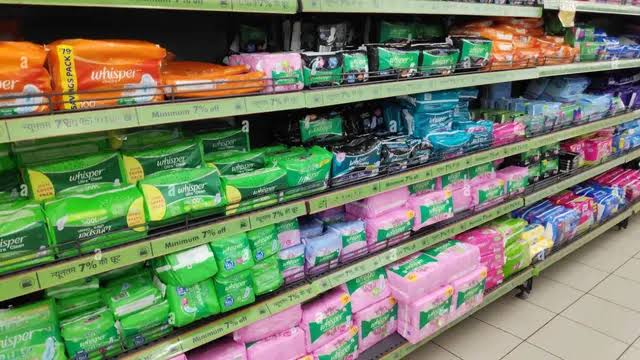
Whisper, established in 1989 as part of Procter & Gamble, has become synonymous with sanitary pads for millions of Indian women.
- Known for superior absorption and long-lasting retention, particularly popular among urban consumers.
- Maintains strong presence across urban and rural India, supported by extensive retail, pharmacy, and e-commerce distribution.
- In January 2026, Whisper launched a new range of period panties, promoted by cricketer Jemimah Rodrigues, offering 360-degree protection for active young women.
- Disposable pads dominate India’s sanitary napkin market at 72% share, largely driven by Whisper’s distribution infrastructure.
2. Stayfree (Johnson & Johnson) – The Trusted Affordability Leader
Stayfree, owned by Johnson & Johnson, holds a commanding 28% market share, making it the second-largest brand in India.
- Known for quality and affordability, catering to women’s menstrual hygiene needs across all economic segments.
- Strong presence in developing regions, offering different features like regular and ultra-thin variants.
- Bella Premier Happy Hygiene Care Pvt Ltd, a European company, has also gained popularity in India specifically through the Stayfree brand.
3. Sofy (Unicharm) – The Comfort-Focused Specialist
Sofy has built its reputation specifically around thin, comfortable pad technology, differentiating through material innovation.
- Recognized among India’s leading sanitary pad brands for consistent quality and comfort-focused design.
4. Kotex (Kimberly-Clark Lever Ltd)
Kotex, owned by KCL — a joint venture between Kimberly-Clark Corporation (USA) and Hindustan Unilever Ltd — was launched in India in 2005.
- Holds roughly 4% market share, gaining popularity among women for its superior quality positioning.
- Benefits from Kimberly-Clark’s global hygiene product expertise combined with Hindustan Unilever’s deep Indian distribution reach.
5. Carefree (Johnson & Johnson)
Carefree, also owned by Johnson & Johnson, holds a smaller 1.4% market share but offers a complete feminine hygiene product line.
- Expanded its product line to meet demanding feminine hygiene needs, including options specifically designed for mothers.
- Available through both retail stores and online channels.
6. Paree, Niine, Sirona, Nua, and Plush – The Rising Indian Challengers
Beyond the multinational giants, a genuinely vibrant ecosystem of Indian brands has emerged, each carving out distinct positioning.
- Paree offers affordable, widely accessible pads reaching semi-urban and rural markets effectively.
- Niine focuses specifically on menstrual hygiene awareness campaigns alongside its product offerings, contributing meaningfully to public health messaging.
- Sirona brings genuine innovation to India’s feminine hygiene category through its broader product ecosystem.
- Nua, a direct-to-consumer brand, emphasizes natural ingredients and subscription-based convenience for modern, digitally-savvy buyers.
- Plush targets the premium segment specifically, offering chemical-free, infection and rash-proof pads made from soft, comfortable materials with biodegradable packaging. Products are dermatologically tested and cruelty-free, appealing to conscience-driven consumers.
What’s Reshaping the Category Right Now
- Biodegradable pads are growing fastest at roughly 10.8% CAGR, driven by eco-conscious consumer demand and regulatory direction toward sustainable alternatives.
- The online channel is expanding at approximately 13.6% CAGR, fueled by rural 4G penetration, social commerce, and growing D2C subscription models.
- Pharmacies remain the leading distribution channel at 31% share, reflecting India’s cultural preference for discreet purchase of feminine hygiene products.
- Maharashtra leads regionally at 20% market share, driven by Mumbai’s FMCG concentration and above-national female literacy and purchasing power.
- Zero GST across all brands has created a level playing field where manufacturing sophistication, not pricing tricks, differentiates Indian-made pads from imported or MNC alternatives.
Why This Category Matters Beyond Commerce
- Proper menstrual hygiene helps prevent infections, supports comfort during daily activities, and improves overall wellbeing for millions of Indian women.
- Affordable access in rural and semi-urban areas has directly reduced school absenteeism among girls, a genuinely significant social development outcome.
- Government initiatives working alongside NGOs and private companies continue spreading awareness and ensuring product availability across underserved regions.
- The market serves an enormously diverse consumer base — urban professionals, semi-urban populations, and rural women — with products ranging from low-cost basic pads to premium, eco-friendly options.
The Bottom Line
India’s sanitary pad industry is led by multinational giants Whisper and Stayfree, together capturing significant market share through decades of trust and extensive distribution, while newer Indian brands like Plush, Nua, and Sirona compete effectively in premium, sustainable, and direct-to-consumer segments. With the market projected to grow to $1.79 billion by 2034, driven by rising menstrual hygiene awareness, biodegradable product innovation, and expanding online distribution, this category continues evolving as both a genuine commercial opportunity and a meaningful public health priority for India.
FAQs
Q1. Which sanitary pad brand holds the largest market share in India?
Whisper leads the market, though Stayfree follows closely with a strong 28% market share of its own.
Q2. Are biodegradable sanitary pads genuinely better for the environment than regular ones?
Yes, since regular pads contain nearly 90% plastic, while biodegradable options significantly reduce long-term environmental impact.
Q3. Which brand is best suited for sensitive skin or allergy-prone users?
Sanfe and Plush both specialize in breathable, chemical-free materials designed to prevent rashes and irritation.
Q4. Why do pharmacies remain the top distribution channel for sanitary pads in India?
Cultural preference for discreet purchasing continues driving 31% of all sanitary pad sales through pharmacy channels specifically.