Two in five babies born across the entire Asia-Pacific region are born in India — a staggering demographic reality that’s fueling a diaper market on track to nearly double from $2.72 billion to $4.66 billion by 2034. And in one of the more surprising brand shifts of recent years, the Japanese pant-style pioneer MamyPoko actually overtook Pampers as India’s top-selling diaper brand in FY23, reshaping a category once dominated almost entirely by two Western multinationals.
| Rank | Company | Flagship Brand | Known For |
| 1 | Unicharm Corporation | MamyPoko | India’s top-selling brand, pant-style pioneer |
| 2 | Procter & Gamble | Pampers | Skin-health focus, Premium Care range |
| 3 | Kimberly-Clark | Huggies | DryTouch layer, 12-hour absorption |
| 4 | Nobel Hygiene | Friends (adult), various baby lines | Strong domestic manufacturer, adult incontinence leader |
| 5 | SCA/Essity | Libero | Established international brand |
| 6 | Millennium BabyCares | Bumtum | Digital-first e-commerce success story |
| 7 | Romsons Group | Romsons Prime | New entrant, medical device heritage |
| 8 | Dabur | New diaper line (2025 entry) | FMCG brand strength, distribution reach |
| 9 | Himalaya Wellness | Himalaya BabyCare | Natural/herbal positioning |
| 10 | Drypers India | Drypers | Regional and value-tier presence |
1. Unicharm Corporation (MamyPoko) – India’s Top-Selling Brand
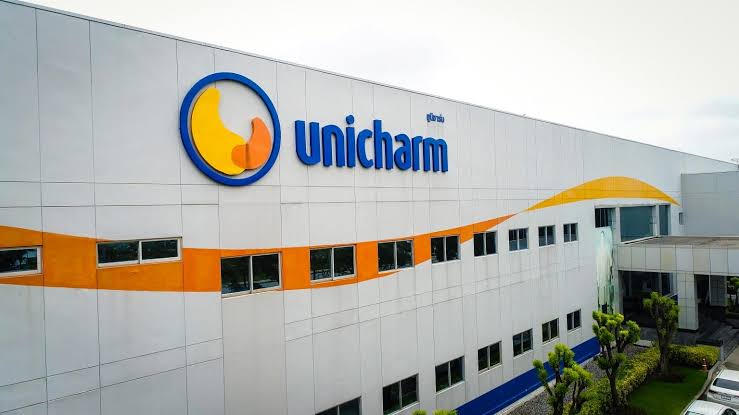
Unicharm’s MamyPoko brand is credited with one of the most significant shifts in Indian consumer behavior: the mainstreaming of pant-style diapers.
- Overtook Pampers as India’s top-selling diaper brand in FY23, a genuinely notable market shift after years of Western brand dominance.
- Its proprietary “Crisscross Absorbent Sheet” technology prevents bulkiness while ensuring up to 12 hours of absorption, driving strong adoption in both metros and Tier-II cities.
- Announced plans in February 2025 to establish its third factory in India, specifically to meet growing demand and expand local production capacity.
2. Procter & Gamble (Pampers) – The Skin-Health Specialist
Pampers focuses heavily on the “skin-health” narrative, offering products clinically proven to help prevent rashes.
- Launched the Pampers Premium Care India range in 2024, featuring anti-rash and aloe vera properties targeting India’s growing premium baby care segment.
- Its strategic push into “Premium Care” and “Pure Protection” lines has captured the high-end urban demographic prioritizing hypoallergenic, chlorine-free materials.
- P&G invests heavily in consumer education, influencer marketing, and digital channel development specific to the Indian market.
3. Kimberly-Clark (Huggies) – The Comfort and Absorption Leader
Huggies has long been a staple in Indian households, known for its proprietary DryTouch layer and clinical certifications.
- In November 2025, launched a campaign featuring the “Geelu Monster” to highlight prolonged wetness issues, reinforcing its positioning as India’s fastest-absorbing diaper.
- Product line spans bubble bed softness, 12-hour absorption, triple leak guard, and breathable materials with a comfy fit waistband.
- Founded in 1872 globally, with Kimberly-Clark India headquartered in Maharashtra, producing a comprehensive baby care, feminine hygiene, and adult incontinence portfolio.
4. Nobel Hygiene – The Established Domestic Challenger
Nobel Hygiene stands as one of the strongest domestic manufacturers effectively challenging multinational giants in India’s value-tier segments.
- Their Friends brand dominates the adult incontinence market, a segment growing rapidly due to India’s aging population and increasing medical awareness.
- Recognized among the top four brands collectively holding dominant revenue positions alongside Unicharm, P&G, and Kimberly-Clark.
5. Libero (SCA/Essity)
Libero remains one of the established international brands with longstanding presence in India’s diaper category.
- Historically counted among the four dominant brands controlling 80-85% of India’s diaper market alongside Pampers, Huggies, and MamyPoko.
6. Millennium BabyCares (Bumtum) – The Digital-First Success Story
Millennium BabyCares represents a genuine “digital-first” success story, with its Bumtum brand achieving explosive growth through e-commerce.
- Leveraged quick-commerce and online platforms specifically to compete against established multinationals without needing traditional retail distribution scale.
- Demonstrates how e-commerce is disrupting traditional distribution advantages, letting smaller domestic brands reach national audiences cost-effectively through Amazon India and Flipkart.
7. Romsons Group – The Medical Device Manufacturer Turned Baby Care Entrant
Romsons Group of Industries, a well-established medical device manufacturer with operations dating back to 1952, made a strategic entry into baby care under the Romsons Prime brand in 2025.
- Brings decades of medical device manufacturing credibility, including surgical gloves, catheters, and infusion sets, into its new baby care product line.
- Headquartered in Uttar Pradesh, leveraging existing manufacturing infrastructure and quality systems.
8. Dabur – The FMCG Giant’s New Entry
Dabur announced its entry into the Indian baby diaper market in March 2025, expanding its broader hygiene portfolio.
- Aims to leverage its existing brand strength and extensive distribution network to compete in the fast-growing diaper segment.
- Reflects growing confidence among established Indian FMCG players in challenging multinational dominance in this category.
9. Himalaya Wellness and Drypers India
Rounding out the top 10, these two brands serve distinct positioning niches within India’s broader diaper market.
- Himalaya BabyCare leverages the parent brand’s natural and herbal product heritage to appeal to health-conscious Indian parents.
- Drypers India maintains regional and value-tier market presence, competing on affordability and accessibility in price-sensitive markets.
What’s Driving This Market’s Rapid Growth
- India’s diaper penetration remains remarkably low at just 3%, meaning the vast majority of growth still lies ahead as awareness and disposable income both continue rising.
- Working-parent households are increasingly choosing diapers as a practical hygiene and comfort solution, directly supporting demand growth.
- E-commerce expansion is dramatically improving product access across both urban and semi-urban areas, letting newer brands compete without traditional retail infrastructure.
- North India leads regional demand at roughly 31-34% market share, driven by high population density, urbanization, and premium product penetration in the National Capital Region.
- Supermarkets and hypermarkets like D-Mart, Reliance Smart, and Big Bazaar lead distribution with over 32-42% share, reflecting the continued expansion of organized retail formats.
The Bottom Line
India’s diaper market has evolved from a category once dominated almost entirely by Pampers into a genuinely competitive landscape where Unicharm’s MamyPoko now leads, Kimberly-Clark’s Huggies and P&G’s Pampers continue innovating around comfort and skin health, and domestic players like Nobel Hygiene, Bumtum, and new entrants Dabur and Romsons challenge multinationals in value-conscious segments. With diaper penetration still at just 3% and the market projected to nearly double by 2034, this remains one of India’s most genuinely underpenetrated and rapidly growing FMCG categories for both established brands and ambitious new entrants.
FAQs
Q1. Which brand is currently considered India’s top-selling diaper?
MamyPoko Pants, from Unicharm, is widely considered India’s No. 1 diaper brand due to strong market presence and affordability.
Q2. Are premium diaper brands actually worth the higher cost over budget options?
Premium brands often offer better skin-friendly materials and longer absorption, but budget brands like Bumtum work well for daytime use.
Q3. Why is India’s diaper market considered so underpenetrated compared to other countries?
Diaper penetration sits at just 3% in India, with low rural awareness leaving significant room for continued market growth.
Q4. Are established Indian FMCG companies like Dabur genuinely competing with global diaper brands?
Yes, Dabur’s 2025 market entry leverages its existing distribution strength to challenge multinationals in this fast-growing segment.