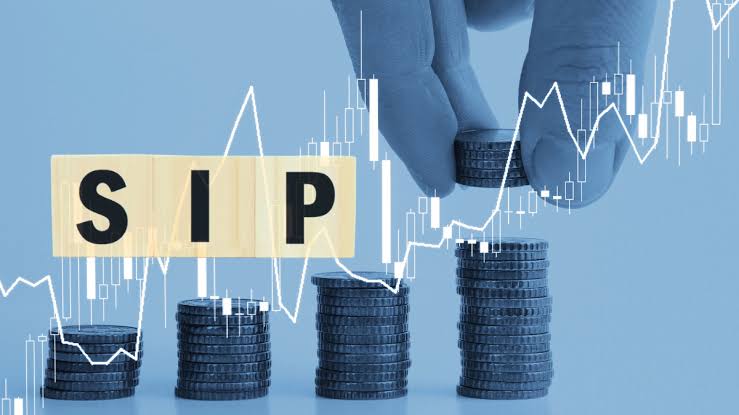
Gold is the metal people trust in a crisis, and silver is the one that moves faster. Both have a long history as stores of value, and both are easy to buy in India today through coins, ETFs and funds. The better choice depends on what you want from the money: steadiness, higher swings, or a mix of both.
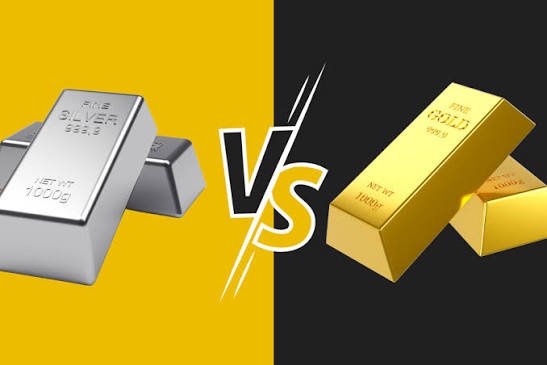
Where Each Metal Gets Its Value
Gold is valued mostly as money and a safe haven. Central banks hold it in their reserves, investors buy it when markets are nervous, and households in India treat it as both jewellery and savings. Its price is driven by interest rates, the dollar, inflation worries and global uncertainty.
Silver has a double life. It is a precious metal like gold, but a large share of its demand comes from industry, including solar panels, electronics, electric vehicles and medical equipment. Its price follows both investor sentiment and the strength of manufacturing.
This difference explains most of the contrast in how the two behave.
Volatility: The Biggest Difference
Silver is a smaller, thinner market than gold, so its price swings are usually larger. In a strong rally, silver can outrun gold by a wide margin. In a downturn, it tends to fall further and faster.
- Gold: steadier, with smaller swings and a reputation as a portfolio stabiliser.
- Silver: more dramatic, with the potential for higher gains and sharper drops.
If large price swings make you uncomfortable, gold usually suits you better. If you can hold through volatility, silver offers more upside potential.
The Gold-Silver Ratio
Investors often track the gold-silver ratio, which shows how many ounces of silver equal one ounce of gold in price. A high ratio suggests silver is cheap compared with gold, and a low ratio suggests the opposite. Historically, the ratio has moved in a wide range, and some investors use it to tilt their holdings. It is a useful reference, not a reliable timing tool, because it can stay high or low for years.
Role in a Portfolio
Gold earns its place by holding up when other assets fall, which makes it useful for reducing overall portfolio risk. Many planners suggest a modest share, often around 5% to 15% of a portfolio.
Silver works better as a smaller satellite holding. Because it behaves partly like an industrial commodity, its performance depends more on the economy. A small allocation can add growth potential, but it is not the core of a safe plan.
A simple split some investors use is a larger share in gold with a smaller share in silver, though the right mix depends on your goals and comfort with risk.
Ways to Invest in India
Both metals can be held in several forms.
- Physical coins and bars: you own the metal, but you pay making charges and need safe storage.
- Gold and silver ETFs: trade on exchanges through a demat account and track the metal’s price at low cost.
- Mutual fund FoFs: let you invest through a SIP without a demat account in many cases.
- Sovereign gold bonds: apply only to gold and have limited fresh issuance, so check availability.
- Digital gold: available for gold on many apps, with its own limits and regulatory considerations.
For silver, physical storage is bulkier and purity checks matter more, which is one reason many investors prefer ETFs or funds.
Costs and Practical Points
- GST: purchases of physical gold and silver attract 3% GST.
- Storage: silver takes up far more space per rupee of value than gold.
- Making charges: jewellery and some coins carry them, and these are usually higher in percentage terms for silver items.
- Liquidity: gold is easy to sell almost anywhere, while silver ETFs and funds may have lower trading volumes than gold ones.
Tax Treatment
Tax rules change, so verify the current position before acting. In general, gains on physical gold and silver are treated as capital gains. Holding physical metal for more than 24 months qualifies for long-term treatment at a flat rate of 12.5%, and shorter holdings are taxed at your slab rate. Listed ETFs commonly qualify as long term after 12 months. Fund-of-fund structures may follow different holding-period rules.
Comparing Them Side by Side
- Stability: gold is steadier; silver is more volatile.
- Growth potential: silver can move more in either direction.
- Main demand drivers: gold from safe-haven and reserve demand; silver from industry plus investment.
- Ease of holding: gold is compact and widely accepted; silver needs more storage.
- Best role: gold as a core hedge; silver as a smaller growth tilt.
How to Decide
Ask yourself a few questions.
- What is the goal? If it is protection and stability, lean towards gold.
- How much volatility can I take? If you can handle sharp swings, a little silver may suit you.
- How long can I hold? Both metals reward patience, and silver in particular can have long flat stretches before a rally.
- What else do I own? If your portfolio is already heavy in equity, gold’s stabilising role may matter more.
A Practical Approach
For many investors, the answer isn’t either-or. A sensible approach is to hold gold as the main precious-metal position and add a smaller silver allocation for diversification. Invest through SIPs in ETFs or funds so you average your purchase price over time, and review the mix once a year. Avoid putting money you will need within a couple of years into either metal, since both can fall in the short term.
Frequently Asked Questions
Q1. Is gold or silver better for long-term investment?
Gold is generally steadier and suits core holdings. Silver offers more upside potential but with higher volatility.
Q2. Why is silver more volatile than gold?
The silver market is smaller, and a large part of its demand comes from industry, so its price reacts to both economic cycles and investor flows.
Q3. How much of my portfolio should be in gold and silver?
Many planners suggest a modest share, often 5% to 15% for precious metals combined. The right figure depends on your goals and risk comfort.
Q4. Can I invest in silver through a SIP?
Yes, silver ETFs and silver fund-of-funds allow regular investing, with the structure of each affecting the tax treatment.
Q5. Is physical or paper silver better?
Physical silver gives you the metal but needs storage and has higher making costs. ETFs and funds are easier to buy, sell and hold.
Q6. Do gold and silver protect against inflation?
Both have historically helped preserve purchasing power over long periods, though prices can be uneven in the short run.