Owning a vintage car or a heavily modified vehicle in India occupies a peculiar legal and insurance space. Standard motor insurance products are designed around the assumption of a modern, factory-specification vehicle depreciating predictably each year. A 1965 Contessa that has appreciated in value, or a modified Thar with a lifted suspension and larger tyres, fits neither the IDV calculation nor the usage assumptions that underpin a standard comprehensive policy. Getting this wrong does not just mean paying incorrect premiums — it means your claim may be denied on the grounds that you never held appropriate cover in the first place.
The solution exists. But it requires understanding the specific categories India’s regulatory and insurance framework recognises, and navigating the right channels to get covered correctly.
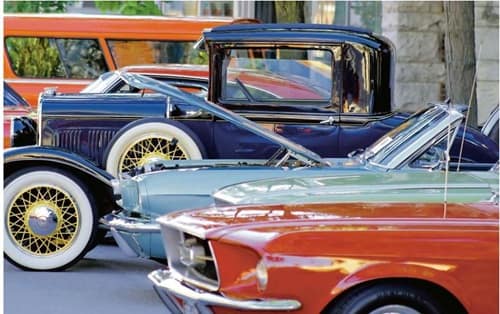
How India Categorises Old and Modified Vehicles
The Vintage and Classic Car Club of India (VCCCI) is the country’s recognised authority for certifying heritage vehicles, and its classifications are followed by both the Motor Vehicles Act and insurance companies for underwriting purposes.
Vintage cars are those manufactured between 1919 and 1930. Importantly, vintage cars retain their classification even if modifications have been made — the valuation of a vintage vehicle does not significantly change with modifications. Antique cars cover vehicles manufactured between 1930 and 1940, and classic cars are those manufactured between 1940 and 1970. Both antique and classic cars must be kept as close to their original specifications as possible — excessive modification can cause a vehicle to lose its classification, which directly affects its insurance eligibility and premium structure.
From an insurance perspective under the India Motor Tariff, any car manufactured before December 31, 1940, and certified by the VCCCI, is treated as a vintage vehicle. Cars manufactured after that date but before December 31, 1970, are treated as classics. The VCCCI certification is not optional — it is the gateway document that allows specialised insurance underwriting to apply.
For modern modified vehicles — a standard Fortuner or Mahindra Thar that has undergone aftermarket modifications like body kits, engine upgrades, suspension lifts, or alloy wheel changes — the framework is different. The Road Transport Authority requires that significant modifications be declared and homologated. Unreported modifications to a standard vehicle are one of the most common reasons motor insurance claims are repudiated, particularly after accidents.
Getting Insured: The Step-by-Step Process
For vintage and classic cars, start with VCCCI certification if the vehicle is not already registered as a heritage vehicle. The application requires the vehicle’s age verification, photographs, original registration documents, and a physical inspection in some cases. Once certified, the vehicle receives a VA registration mark and is formally recognised for heritage insurance purposes.
Standard insurance companies — particularly IFFCO Tokio, Go Digit, Tata AIG, HDFC ERGO, and ACKO — offer specialised vintage and classic car policies. The defining feature of these policies is the agreed value or declared value basis of coverage, rather than the standard IDV-based depreciation model. Under agreed value coverage, you and the insurer negotiate and fix the insured value of the vehicle at the time of policy issuance — a 1960 Ambassador restored to mint condition might be agreed at Rs. 15 lakh regardless of what a standard depreciation table would suggest. This agreed value is what you receive in the event of total loss, without depreciation deduction.
Tata AIG offers vintage policies with a 75 percent discount on rollover premiums for eligible older cars, reflecting the reality that these vehicles are rarely driven daily. Usage restrictions are standard — vintage and classic policies typically cover participation in rallies, exhibitions, club events, and leisure drives, not daily commuting or commercial use. Misrepresenting usage by claiming a vintage vehicle was used only for events when it was being driven regularly is grounds for claim rejection.
For modified modern vehicles, the correct process is to declare every modification to your insurer before the policy is renewed. Changes that increase the vehicle’s value — custom interiors, turbo upgrades, premium audio — should be listed as additional declarations to ensure they are covered. Changes that affect the vehicle’s mechanical behaviour — engine modifications, suspension lifts — may require endorsements on the policy and sometimes a re-inspection. The premium may increase, but the claim will be valid.
The Non-Disclosure Trap
The most expensive mistake modified and vintage car owners make is failing to disclose vehicle condition, modifications, or actual usage patterns when purchasing or renewing insurance. If your claim is filed after an accident and the surveyor finds that the vehicle had undisclosed modifications or was used outside the permitted categories, the insurer can legitimately repudiate the entire claim — leaving you with repair bills that the policy you paid for was never actually going to cover.
Full disclosure costs a slightly higher premium. Non-disclosure can cost you the entire claim amount.
FAQs
Q1. Do I need VCCCI certification to insure a vintage car in India?
Yes — VCCCI certification is the prerequisite for specialised vintage car insurance underwriting. Without it, your vehicle will be treated as a standard old car, subject to normal depreciation-based IDV calculations that may significantly undervalue it.
Q2. What is agreed value coverage and why does it matter for vintage cars?
Agreed value coverage fixes the insured amount between you and the insurer at the time of policy issuance, replacing the standard depreciation-based IDV. This means you receive the full negotiated value in the event of total loss, not a depreciated amount.
Q3. Can I insure a modern car that has been heavily modified?
Yes, but all modifications must be declared to the insurer. Undisclosed modifications are a common ground for claim repudiation. Significant mechanical changes may require endorsements and re-inspection.
Q4. Is it cheaper to insure a vintage car than a standard car?
Often yes — because usage is restricted to exhibitions, rallies, and leisure drives, the premium is typically lower than a daily-use vehicle. Some insurers offer additional discounts on rollover policies for eligible heritage vehicles.
Q5. Which insurers in India offer specialised vintage and classic car policies?
Go Digit, IFFCO Tokio, Tata AIG, HDFC ERGO, and ACKO are among the major insurers offering dedicated vintage and classic car insurance products in India. Not all general insurers have this product — check specifically for heritage vehicle policies before purchasing.