The fitness industry in India has moved from a niche urban hobby to a mainstream health priority, and the numbers support the momentum. Gyms, yoga studios, martial arts centres, CrossFit boxes, and boutique fitness studios are opening across metros and tier-2 cities at a pace driven by a generation that is genuinely willing to spend on health. Setting one up, however, requires capital that many fitness entrepreneurs underestimate. A well-equipped commercial gym demands significant upfront investment in cardio machines, strength equipment, flooring, HVAC, and interiors — and that is before you account for rent deposits, staff hiring, and the first three months of operating expenses before memberships stabilise.
Understanding which loan product fits which part of that investment is the starting point.
Two Distinct Needs, Two Different Products
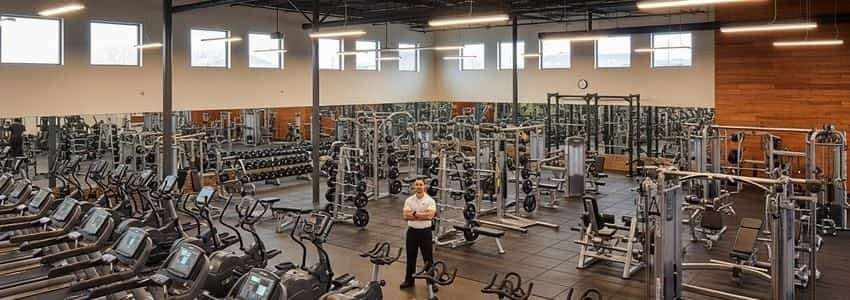
Fitness entrepreneurs typically need two separate categories of funding. Equipment finance — the term loan that buys the treadmills, cable machines, free weights, and cardio stations — is a capital expenditure with a defined cost and a useful life of 8-10 years. Working capital — covering rent, utilities, marketing, and staff during the pre-revenue and early-membership phase — is a short-term revolving need. Combining both into a single loan product often leads to a poorly structured borrowing that either costs too much or repays too slowly. Understand the distinction and match the product to the purpose.
Equipment Finance: Term Loans and Hypothecation
Business loans for gym equipment are typically structured as 3-5 year term loans with the equipment hypothecated as collateral. Banks and NBFCs lend against verified quotations from equipment suppliers — not just estimates. Before approaching a lender, get formal proforma invoices from at least two reputable commercial gym equipment suppliers specifying brand, model, warranty, and price. This documentation tells the lender exactly what is being financed, allows accurate collateral valuation, and eliminates a common delay point in the approval process.
Interest rates on business loans for fitness centres currently run between 9.5 and 22 percent per annum. Public sector banks offer the lower end of this range on secured facilities for registered MSME businesses. Private banks sit in the 10-14 percent zone. NBFCs and fintech lenders price higher but approve faster and are more flexible with borrowers who have limited business history or are setting up a first venture. A CIBIL score of 750 or above unlocks the best terms across all lender types.
The MSME Route: Registering Your Gym as a Business
One of the most consistently underused moves among fitness entrepreneurs is registering the gym or studio as an MSME. A fitness centre qualifies as a service-sector enterprise under the MSME classification. Udyam registration unlocks access to CGTMSE-backed collateral-free credit — meaning a gym owner without property to pledge can still access equipment loans with no collateral requirement, because the Credit Guarantee Fund Trust provides cover to the lender. For a first-time gym owner without real estate assets, this distinction is critical.
Mudra loans under the Tarun category cover up to Rs. 10 lakh without collateral and apply comfortably to smaller fitness setups, personal training studios, and yoga centres where equipment costs are moderate. For larger commercial gyms needing Rs. 25 lakh to Rs. 2 crore in equipment, CGTMSE-backed MSME loans from banks or SIDBI are the appropriate product.
Franchise Models and Built-In Finance
Several large gym franchise brands — national and international — operate dedicated financing partnerships with specific lenders for franchisees. These arrangements streamline equipment procurement, loan processing, and sometimes include deferred payment structures specifically designed around membership ramp-up timelines. If you are considering a franchise model, investigate the financing package before signing the franchise agreement. The effective rate and total cost of the bundled financing may differ from what you could negotiate independently — always compare.
Working Capital for the Launch Phase
The 90-120 days between a gym opening and membership revenues reaching operating break-even is where many fitness businesses run into trouble. Rent is due on day one; member acquisition takes time. A working capital line of credit — typically at 11-18 percent per annum as an overdraft facility — provides the buffer. Apply for this simultaneously with your equipment loan, not afterwards when the cash crunch has already arrived. Lenders are more willing to sanction a combined facility before launch than to rescue an already-stressed business three months in.
FAQs
Q1. Can I get a gym equipment loan without collateral?
Yes — through MSME Udyam registration and CGTMSE-backed credit, fitness businesses can access collateral-free loans. Alternatively, the equipment itself serves as hypothecated security in most equipment finance products.
Q2. What documents are typically required?
PAN, Aadhaar, Udyam registration, GST certificate, bank statements for 6-12 months, ITR for 2 years, business plan or project report, and formal equipment quotations from suppliers.
Q3. Can a first-time gym owner with no business history get a loan?
Yes, though eligibility is tighter. A strong personal credit score, a well-prepared business plan, and applying through PMEGP or Mudra schemes designed for new enterprises improves approval prospects significantly.
Q4. Is franchise gym equipment covered under the same loan types?
Yes, and most major franchise brands have dedicated lender partnerships that can simplify the process — but always compare the total interest cost against what you could access independently.
Q5. How long are equipment loan repayment tenures for fitness businesses?
Typically 3 to 5 years for equipment loans, matched to the useful economic life of the machinery. Working capital facilities are usually structured as 12-month revolving limits, renewed annually.