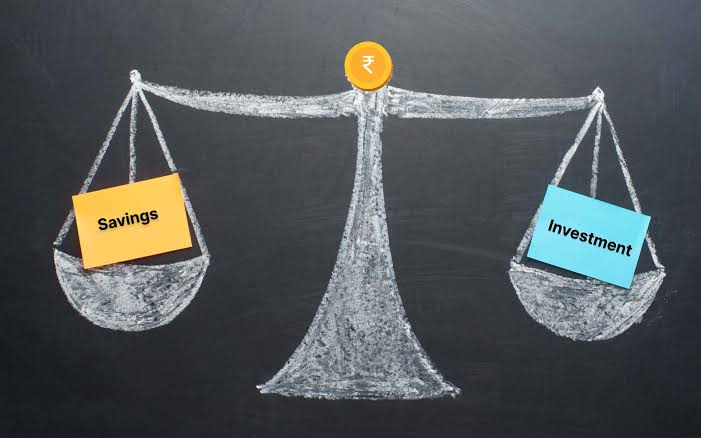
Managing money can seem like a puzzle. On the one hand, you have the day-to-day bills and near-term dreams of taking your family on a vacation, buying the car of your dreams, and having a financial emergency fund. On the other hand, you have bigger dreams of planning a life after your career so that you can financially survive without an incoming monthly salary.
When you are planning your finances, you might ask yourself one of the most crucial questions for any family: Should you go for a savings plan or a retirement plan?
Both the savings and the retirement plan offer excellent benefits but for totally different purposes. Understanding how to balance both savings and long-term financial security for life after your career will help you take smarter steps to protect your family’s future.
What Is a Savings Plan?
A savings plan’s primary objective is to achieve short- and medium-term goals. These plans are usually accompanied by life insurance coverage and offer good capital appreciation.
Think of a savings plan as your partner to help you achieve certain financial goals in the short/medium term (3, 5, or 10 years).
Main Characteristics of a Savings Plan
- Goal-Oriented: Savings plans are ideal to finance your education, school fees, and marriage and to create that much-needed emergency fund.
- Shorter Time Horizon: Savings plans are designed for shorter time horizons as compared to pension products.
- Guaranteed Returns or Growth: Guaranteed savings plans guarantee higher payouts at maturity, while unit-linked plans help you profit from the stock market gains.
- Life Cover: Your family is provided with a lump-sum amount (sum-assured) if the policyholder dies during the policy term.
Depending on the chosen product, the savings plans offer various flexibilities, but all the riders, such as the top-up time, surrender value, and loan against policy, are always subject to the insurance company’s terms and conditions.
What Is a Retirement Plan?
A retirement (pension or annuity) plan is strictly for the long haul. The main objective of pension plans is to make sure that you do not run out of money after your working days are over. While a savings plan helps you achieve temporary financial needs, a retirement plan will transform your hard-earned money into a continuous source of income during your golden years.
Main Characteristics of a Retirement Plan
- Long-Term: The retirement plan’s primary focus is on the long haul. The idea is to accumulate sufficient money to create a corpus that will financially support you in your retirement years.
- Pension Income: The retirement plans provide regular pension income (annuities) for as long as you choose or for the rest of your life.
- Inflation Proof: The long-term annuities help you hedge against inflation and reduce the impact of rising prices on your retirement income.
- Flexible Vesting Age: You can choose the age at which you want to begin receiving your regular pension income annuities based on your retirement plans.
It is important to understand that the retirement products tend to have a strict set of guidelines on when the pension income can be claimed. Early withdrawal or pension crystallization is done solely based on the policy terms and underwriting norms of the chosen insurance company.
How to Prioritise Your Financial Goals
While prioritizing your finances, choosing between a short-term savings plan vs. long-term retirement planning is not an either-or scenario; it is a matter of timing. Here is a quick guide on how to go about prioritizing your financial goals:
1. Create an Emergency Cushion
Before choosing any financial product, you should always consider building an emergency fund. Having six (6) months of essential expenses in a liquid account is one of the best things that you can do for your long-term financial needs.
2. Map Your Short-Term Needs
List out your short-term goals (3-7 years). Do you need to renovate your house? Are your children enrolling in schools that charge hefty fees? Your savings plan can help you secure your money for these needs while still growing your capital at a steady rate so that you do not have to liquidate your retirement plan to reach those goals.
3. Begin Retirement Planning as Early as Possible
The power of compounding is one of the best reasons why starting a retirement plan in your 20s/30s makes way for a stress-free life after you retire at the age of 60. Every year that you postpone your retirement plan, you will find yourself responsible for saving a significantly larger amount to still attain the same retirement corpus.
4. Adapt to Changing Needs
As your life moves forward, your financial priorities keep changing. You can focus more on retirement income accumulation when you are younger and single with fewer financial responsibilities. As your family grows with more dependents, you may want to shift some of your focus towards the short-term financial goals for a couple of years. Having a balanced mix of both financial products will be more beneficial for your long-term financial security and must be reviewed at least once a year.
Tax Framework for Insurance and Pension Plans
Saving tax is one of the most important things for any Indian citizen when considering the insurance and pension plans. When looking at the tax implications for insurance and pension plans, it is essential to understand the tax-related statutes that apply to your choices of insurance and pension plans.
Under the provisions of the New Income Tax Act, 2025:
- Deductions on Premiums: Under section 123 of the New Income Tax Act, 2025, any taxpayer who chooses to file returns under the applicable tax regime will be eligible to claim tax deductions on life insurance premiums, subject to the terms and conditions for the applicable premium-to-sum-assured ratios as per the government guidelines.
- Exemptions on Proceeds: Under section 11 of the New Income Tax Act, 2025, certain guidelines for exemptions on proceeds from life insurance are put in place.
- The tax laws are ever-changing, and the provisions made here are dependent on the taxpayer’s income, the chosen tax regime, and complete compliance with the tax laws. It is always a good idea to speak with a tax expert to review the tax implications of any particular investment choice.
Finding a Perfect Mix
Both the short-term and long-term financial products play an equally important role in creating a balanced financial plan:
- A savings plan gives you the flexibility to reach your temporary goals without breaking your long-term retirement plans.
- A retirement plan, on the other hand, gives you the much-needed peace of mind that you will not have to worry about your financial needs during your retirement years.
Each individual has different financial requirements, and their preferred mix between short- and long-term financial goals depends on their age, income, outstanding liabilities, dependents, and risk appetite. It is always a good idea to review the insurance and pension plans and the terms and conditions in detail before making any commitment. The premium amount, eligibility, bonuses, riders, lock-in period, and surrender charges are all subject to the insurance company’s terms and conditions, and a trusted financial advisor will be able to guide you in creating a balanced financial plan for your family.